The rear-end accident property damage process is the series of steps required to document vehicle damage, file an insurance claim, and negotiate fair compensation after a collision. Most people handle this process without legal help, but claim validity depends heavily on the quality of evidence collected at the scene. Property damage settlements can range from $3,000 to over $150,000 depending on injury severity and documentation quality. Getting this process right from the first minute matters more than most drivers realize.
What steps should you take immediately after a rear-end accident?
The first 30 minutes after a rear-end collision set the foundation for your entire property damage claim. Every action you take at the scene either strengthens or weakens your position with the insurance company.
Collect the right information before you leave the scene:
- Get the other driver's full name, license number, insurance company, and policy number
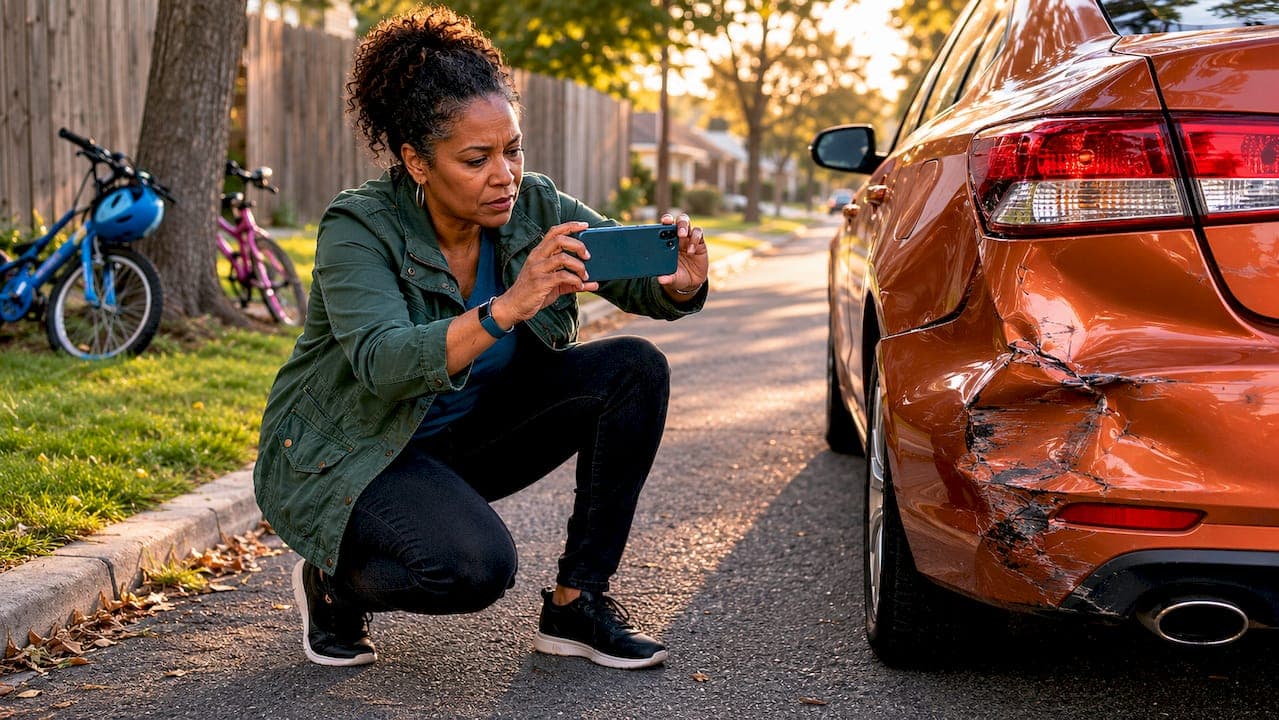
- Photograph all vehicle damage from multiple angles, including close-ups and wide shots showing vehicle positions
- Capture road conditions, skid marks, traffic signals, and any relevant signage
- Record contact information for every witness present
- Note the responding officer's name and badge number, and request the police report number
Document the accident scene thoroughly. Insurance adjusters are trained to find gaps in your evidence. Photos of vehicle positions and damage patterns are among the most critical pieces of evidence you can collect. Take more photos than you think you need.
Obtain multiple repair estimates. You are entitled to at least two independent estimates before accepting any insurer offer. Using the higher reasonable amount protects you from underpayment and incomplete repairs.
Pro Tip: If your vehicle has a dashcam, preserve that footage immediately. Most dashcams overwrite footage within 24–72 hours. Save the file to a separate drive or cloud storage before it is gone.
Notify your insurance company promptly, even if you plan to file a third-party claim against the at-fault driver. Failing to notify your own insurer can create complications later.
How do first-party and third-party claims differ?
The insurance process for car accidents runs through two distinct paths, and choosing the right one affects your deductible, timeline, and total payout.
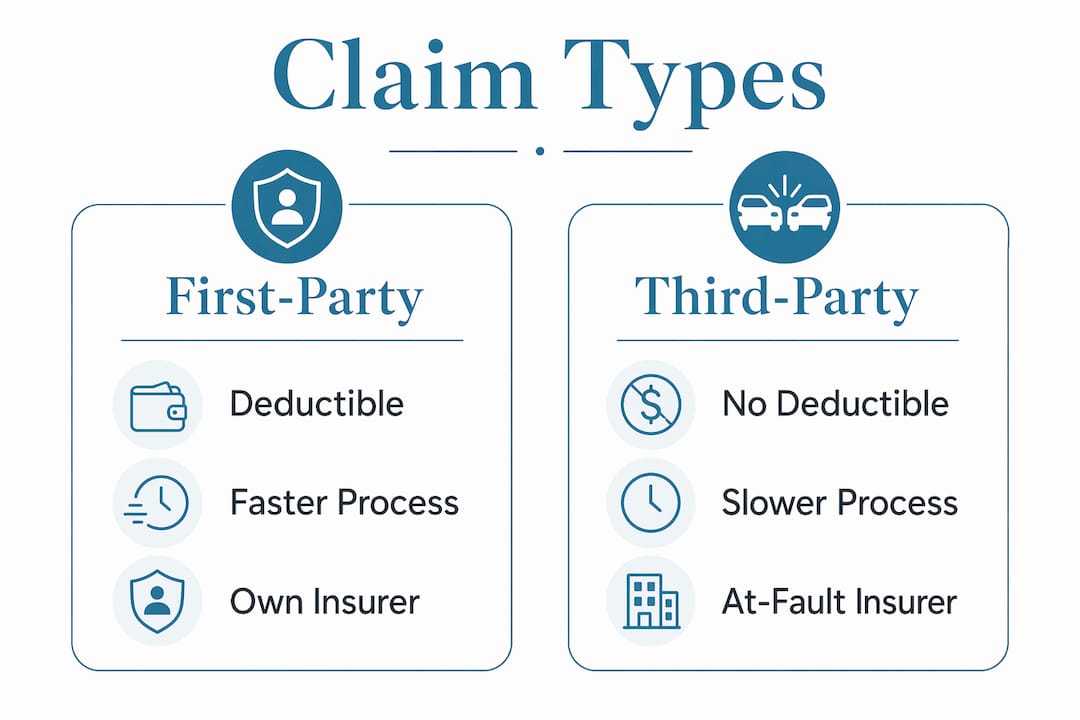
A first-party claim is filed with your own insurance company. It is faster and less adversarial, but you pay your deductible upfront, typically between $100 and $1,000. Your insurer then pursues reimbursement from the at-fault driver's company through a process called subrogation.
A third-party claim is filed directly with the at-fault driver's insurance. You avoid paying a deductible, but the investigation takes longer and the other insurer has no obligation to prioritize your claim. Delays of several weeks are common.
| Factor | First-Party Claim | Third-Party Claim |
|---|---|---|
| Deductible required | Yes, $100–$1,000 | No |
| Processing speed | Faster | Slower, more investigation |
| Insurer loyalty | Your insurer works for you | At-fault insurer works against you |
| Uninsured driver coverage | Yes, with collision coverage | Not applicable |
| Control over process | Higher | Lower |
If the at-fault driver is uninsured, a third-party claim is not an option. You must rely on your own collision coverage. Property damage minimums in some states are as low as $10,000, which may not cover total repair costs on a newer vehicle.
Standard insurer response time is approximately 30 days. That timeline is not a suggestion. Use it as a firm deadline when you submit your demand.
What documentation and evidence maximize your property damage claim?
Thorough documentation is the single most effective defense against insurer attempts to minimize your payout. Every receipt, photo, and report you collect adds leverage.
-
Obtain the official police report. Review it carefully for errors in vehicle descriptions, driver information, or fault determinations. Errors in police reports are common and can be corrected by contacting the reporting officer or filing a supplemental statement.
-
Gather at least two independent repair estimates. Accepting the insurer's first estimate often leads to insufficient compensation. Independent shops frequently identify damage that insurer-preferred shops overlook.
-
Include all related expenses. Towing fees, storage charges, and rental car costs are all compensable. Keep every receipt and submit them with your claim.
-
Document personal property damage inside the vehicle. Car seats, laptops, phones, and other electronics damaged in the crash can be included in your claim with photographic evidence and purchase receipts or replacement estimates. Many claimants leave this money on the table entirely.
-
Research your vehicle's fair market value. If repair costs exceed roughly 80% of your vehicle's pre-crash value, insurers will declare a total loss. Before any settlement discussion, check NADA Guides and comparable local sales to establish your vehicle's value independently.
-
Consider a diminished value claim. Even after repairs, a vehicle with an accident history is worth less on the market. In most states, you can claim this loss of value separately from repair costs.
Pro Tip: Never accept the first settlement offer without submitting a formal demand letter. A written demand with itemized evidence and a 30-day response deadline signals to the insurer that you are serious and organized, which consistently produces better offers.
What common mistakes derail rear-end accident property damage claims?
Most claims that settle for less than they should come down to avoidable errors. Knowing these pitfalls before you file puts you ahead of the majority of claimants.
- Delaying documentation. Waiting even 24 hours to photograph damage or gather witness information gives insurers grounds to question your account. Document everything at the scene, not the next day.
- Accepting the insurer's repair estimate without comparison. The first estimate from an insurer-preferred shop is rarely the most accurate. Independent assessments regularly uncover additional damage.
- Ignoring personal property losses. Damaged items inside the vehicle are compensable. Photograph these items separately and submit receipts or replacement estimates with your claim.
- Failing to verify the police report. While rear-end collisions are usually attributed to the trailing driver, insurers scrutinize factors like sudden stops or faulty brake lights to reduce liability. An inaccurate police report can be used against you.
- Skipping the demand letter. Verbal negotiations rarely produce the best outcomes. A written demand letter with documented proof and a firm deadline builds negotiation leverage that a phone call cannot.
- Missing the filing deadline. Every state has a statute of limitations for property damage claims. Missing it eliminates your right to compensation entirely.
Reviewing costly mistakes after a crash before you file can prevent the most common errors that reduce settlements.
How do you negotiate effectively with insurance companies?
Insurance adjusters are trained to minimize payouts. Knowing that going in changes how you respond to every offer.
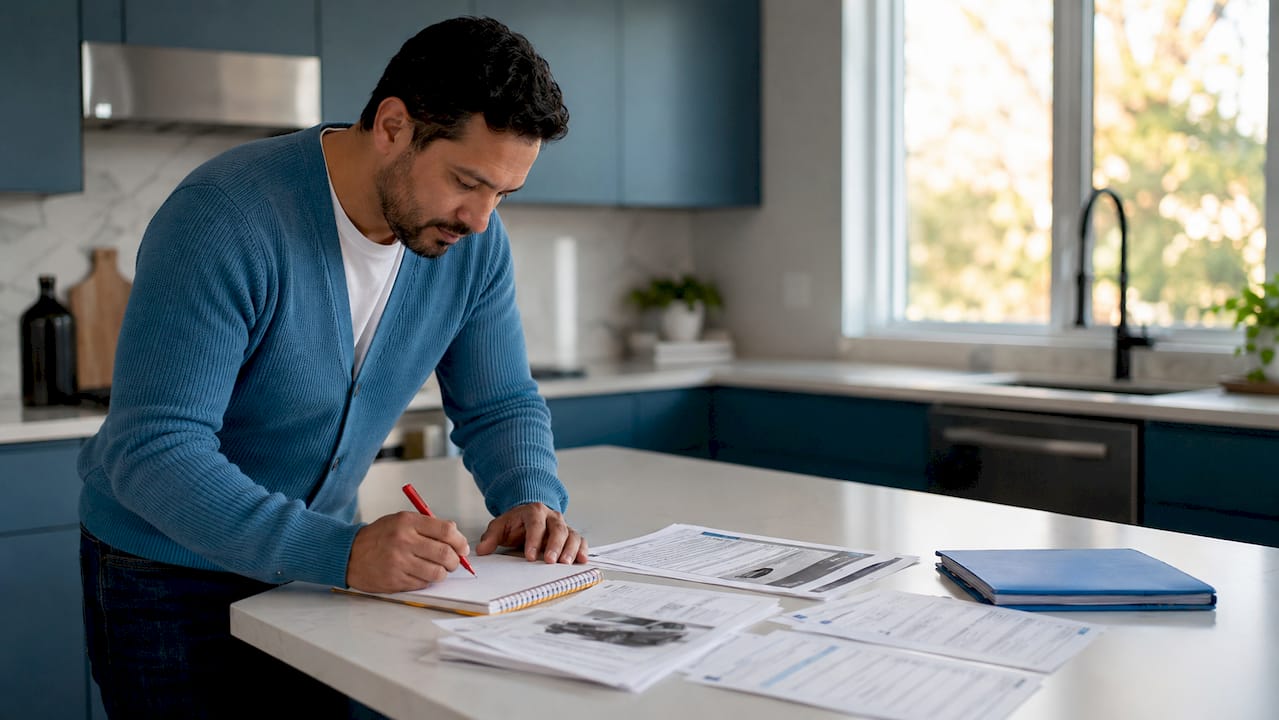
Build your case in writing before you negotiate. Compile your police report, repair estimates, receipts, photos, and any witness statements into a single organized package. This package becomes your demand letter.
Set a firm 30-day response deadline in your demand letter. This creates urgency and establishes a paper trail showing you acted in good faith. Insurers who miss the deadline without explanation are easier to challenge.
Respond to low offers in writing, not by phone. When an insurer offers less than your documented costs, counter in writing with a specific number supported by your evidence. Never accept a verbal offer without a written confirmation.
Know your total loss threshold. If your vehicle is declared a total loss, the insurer must pay fair market value, not replacement cost. Research NADA Guides and local listings to verify the number they offer.
Bring in legal help when the offer is unreasonable. For minor claims under $5,000 with clear liability, most people can handle negotiations themselves. When the insurer disputes liability or the gap between their offer and your documented costs is large, an attorney changes the dynamic immediately.
Key takeaways
The rear-end accident property damage process requires immediate documentation, the right claim path, and written negotiation to secure fair compensation.
| Point | Details |
|---|---|
| Document at the scene | Photograph damage, road conditions, and witness contacts before leaving the accident location. |
| Choose the right claim path | First-party claims are faster but require a deductible; third-party claims avoid deductibles but take longer. |
| Get multiple repair estimates | Independent estimates regularly uncover damage that insurer-preferred shops miss. |
| Include all compensable losses | Towing, rental, storage, and personal property damage inside the vehicle all belong in your claim. |
| Negotiate in writing | A formal demand letter with a 30-day deadline consistently produces better settlement outcomes than verbal negotiation. |
What i've learned from watching people handle this process
I have seen hundreds of people go through the rear-end accident property damage process, and the pattern is consistent. The people who get fair settlements are not the ones with the worst damage. They are the ones who documented everything immediately and refused the first offer.
The most common mistake I see is treating the insurance company like a neutral party. The adjuster assigned to your claim works for the insurer, not for you. Their job is to close your file for as little as possible. That is not cynicism. That is the structure of the business.
What actually works is simple: photograph everything at the scene, get two independent repair estimates, include every expense including personal property inside the car, and submit a written demand with a deadline. That combination produces results that phone calls alone never will.
One thing most guides skip is the diminished value claim. After your car is repaired, it carries an accident history that lowers its resale value. In most states, you can claim that loss separately. Most people never ask for it, which means they leave real money behind.
If the insurer's offer is significantly below your documented costs, get legal advice before you sign anything. A signed settlement releases all future claims. That signature is permanent.
— Scott
How Accidentsurvivalguide can help you after a rear-end accident
Dealing with a property damage claim while recovering from an accident is genuinely hard. Accidentsurvivalguide was built by Scott Tischler and Kathy Carr specifically because they lived through this process and knew most people had no reliable guide to follow.
The site provides free, plain-language resources covering documentation, insurance tactics, rental car issues, and legal rights. Whether you are filing your first claim or pushing back against a low offer, Accidentsurvivalguide connects you with step-by-step guidance and experienced legal professionals nationwide. Before you accept any settlement or sign any release, visit the site and make sure you know exactly what you are agreeing to.
FAQ
What is the first step in a property damage claim?
The first step is documenting the accident scene with photos of all vehicle damage, road conditions, and witness contact information. This evidence forms the foundation of your entire claim.
How long does a property damage claim take to settle?
Standard insurer response time is approximately 30 days, though third-party claims against the at-fault driver's insurer often take longer due to investigation requirements.
Can i include personal items damaged in the crash?
Yes. Personal property inside the vehicle, such as car seats, laptops, or phones, can be included in your property damage claim with photographic evidence and receipts or replacement estimates.
What happens if the at-fault driver is uninsured?
If the at-fault driver has no insurance, you must file a first-party claim through your own collision coverage. States with property damage minimums as low as $10,000 may not cover full repair costs on newer vehicles.
When should i hire an attorney for a property damage claim?
For minor claims under $5,000 with clear liability, most people can handle the process themselves. When the insurer disputes fault or the settlement offer is significantly below your documented costs, legal representation produces measurably better outcomes.