Accessing reliable education and information for accident victims is often fragmented across nonprofit programs, academic journals, and patient-centered platforms that each emphasize different levels of detail and support. Most existing sources either restrict in-depth resources behind subscriptions, limit their geographic coverage, or focus primarily on community engagement without offering clear operational guidance. This comparison lets you evaluate the strengths in accessibility, depth, and practical support across four accident victim education sources so you can match the right publication or community to your immediate needs.
Table of Contents
- Community Alternatives
- Humanitarian Alternatives
- trialport
- Evaluating Accident Information Providers
Community Alternatives
At a Glance
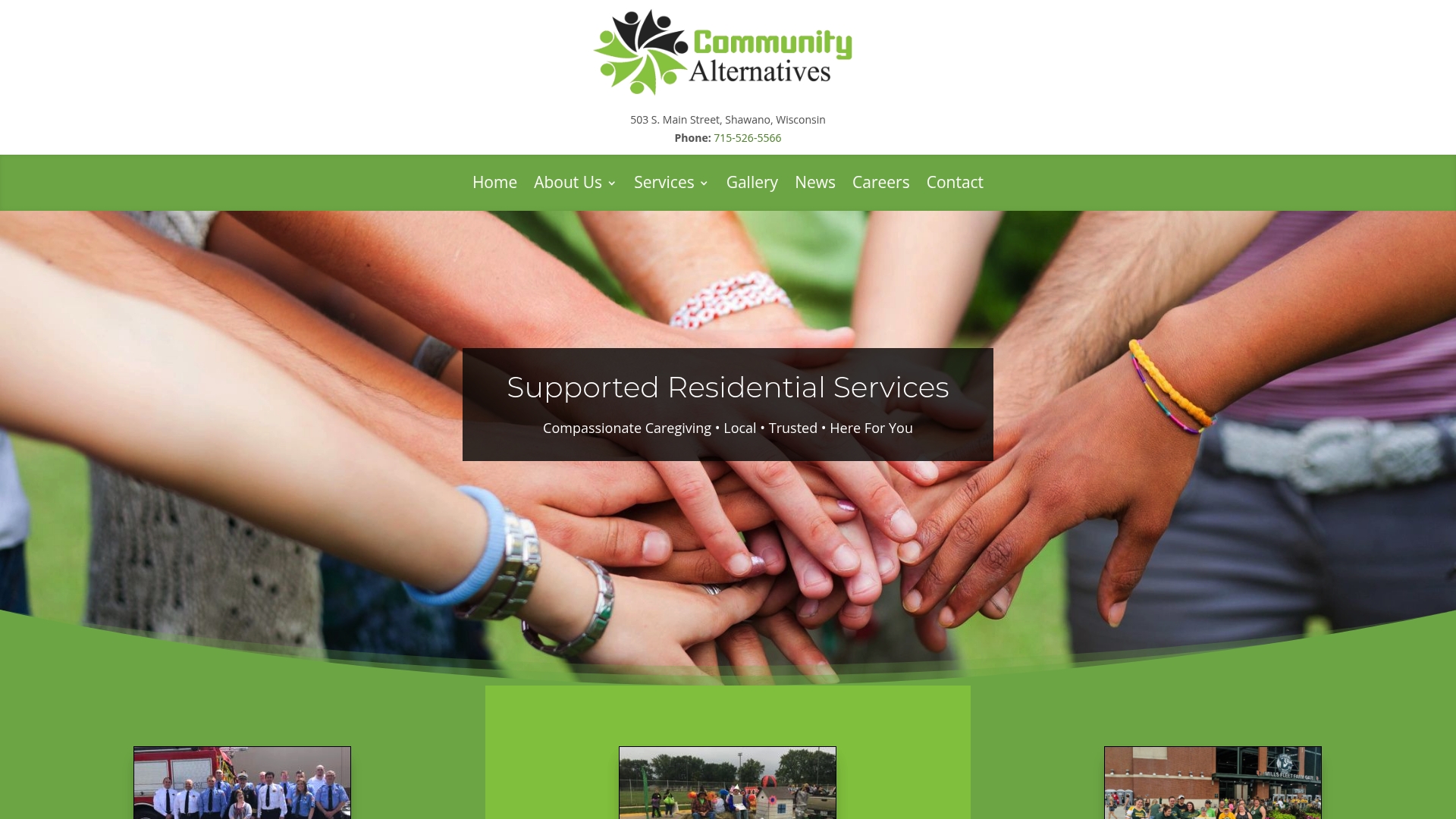
The vendor reports operating 13 residential homes that support 1 to 4 members each, placing small house living at the center of its model. The organization pairs those homes with supported living, daily skills work, and caregiver resources aimed at helping people remain active in their community.
Core Features
- Supported Residential Services in small homes with live-in or visiting staff who assist with day to day tasks and routines.
- Supported living services that target daily living skills, money management, medication support, and medical coordination.
- Community Interconnecting programming that schedules community outings and social inclusion activities to expand local participation.
- Family caregiver resources and a caregiver series to help relatives manage transitions and long term planning.
Key Differentiator
Community Alternatives centers support around small home settings and active family engagement, rather than congregate facilities. That community based approach is the organizing principle, and staff roles include nurses and coordinators who work directly with families to tailor daily living plans.
Pros
-
Dedicated community focus. The program emphasizes outings, local connections, and social inclusion so members spend more time in neighborhood settings.
-
Personalized service mix. Staff support ranges from bathing and medication management to money skills coaching, which lets teams craft individual plans rather than applying a single template.
-
Clinical and coordination support. Named roles like nurses and coordinators are part of the staffing model, which reduces handoffs when a medical or behavioral question arises.
-
Nonprofit mission and advocacy. The organization positions itself around advocacy and quality care as part of its mission rather than profit maximization.
Cons
-
Limited online detail on funding. The site does not list specific funding streams or cost structure, leaving families to confirm payor options in person.
-
Technology and tooling are unclear. There is no public list of case management platforms or assistive tech used to track goals and schedules.
-
Geographic reach is narrow. Services are reported to be concentrated in Shawano, Wisconsin which limits options for families outside that area.
When It May Not Fit
If you live outside Shawano County and need regional coverage, this provider will likely fall short. If you require an online portal for billing and progress notes before committing, the lack of published tech details is a mismatch. High acuity medical needs that require specialized regional clinics may need a different provider network.
Who It's For
Families and individuals in the Shawano, Wisconsin area seeking supported living or small home residential placements will find this model relevant. Caregivers who want regular community outings and hands on coordination from nurses and coordinators will benefit most.
Real World Use Case
A Shawano family calls to arrange supported living for an adult child with developmental disabilities. Staff set up daily living skills training, medication support, and weekly community outings while a coordinator meets with the family to create a personalized plan.
Website: https://newcommunityalternatives.com
Humanitarian Alternatives
At a Glance
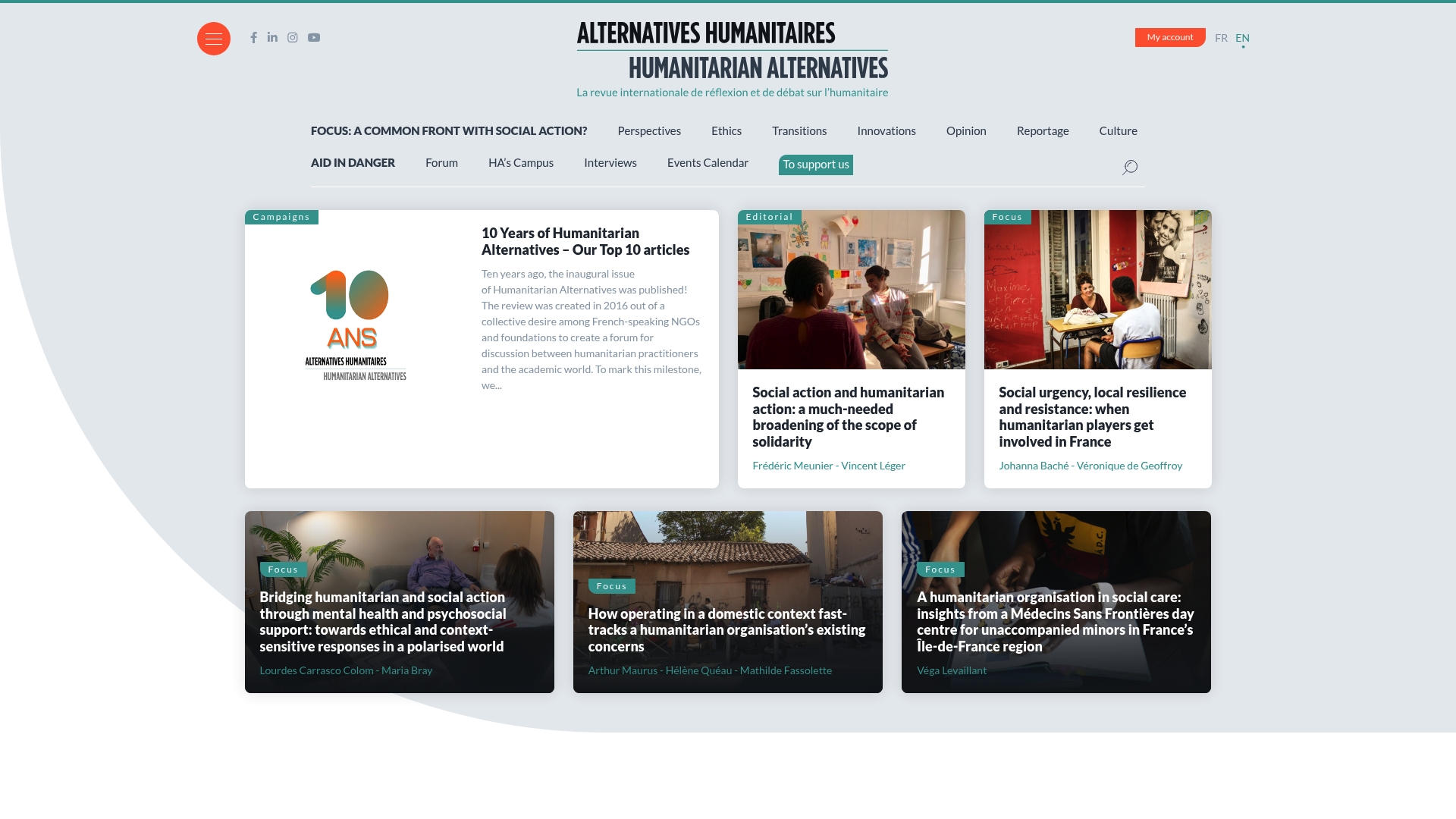
Published three times a year in French and English, the journal pairs thematic issues with a moderated community space and downloadable PDFs for reference.
The mix of peer-level debate and accessible article formats makes it a steady reference for sector analysis rather than breaking news.
Core Features
- Bilingual publication with full content available in French and English across issues.
- Thematic issues released three times a year that concentrate debate and evidence around a single topic.
- Access to articles, reports, and research publications available on the site and as downloadable PDFs.
- Community and debate forum where practitioners, academics, and policymakers exchange critiques and references.
- Subscription and single-issue purchase options for print copies and PDF downloads.
Key Differentiator
A bilingual, sector-focused debate journal dedicated entirely to critical research and deliberation in humanitarian aid. That editorial focus favors deep thematic analysis over quick commentary and intentionally brings academic and field voices into direct conversation.
Pros
-
Offers in-depth analysis and structured debates that go beyond headline summaries; useful when you need evidence and argument, not just opinion.
-
The combination of print issues and downloadable PDFs gives scholars and trainers a citable resource they can archive or distribute in classrooms.
-
The community forum connects academics, NGO staff, and policymakers in one place, which accelerates cross-sector references and follow-up conversations.
-
A rich repository of thematic interviews and research reports makes literature searches faster for specific sector questions.
-
Editorial focus on critical perspectives encourages reflective discussion about policy and practice rather than simple PR for programs.
Cons
-
No clear, detailed subscription pricing or access tiers listed on the site, which forces potential subscribers to contact the organization for cost information.
-
Browsing the site without a membership can feel limited; some content segments are harder to preview before purchase.
-
The website acts mainly as a publication portal and lacks advanced collaboration or multimedia features such as shared workspaces or interactive datasets.
-
The emphasis on research and debate may not serve operational staff who need step-by-step implementation guidance.
When It May Not Fit
If you need rapid operational guidance, templates, or field toolkits, this journal will feel slow and conceptual. Likewise, teams that require multimedia briefings, video walkthroughs, or collaborative document editing will find the site’s offering narrow.
Limited pricing visibility also makes it a poor fit for institutions that budget with strict line items and require immediate cost figures.
Who It's For
Academics, researchers, and humanitarian practitioners who prioritize evidence, critique, and sector debate will get the most from this journal. Educators and policy analysts looking for citable thematic dossiers will also find direct value.
Real World Use Case
A researcher tracking policy debates on humanitarian localization pulls the latest thematic issue, cites multiple interviews and reports in a policy brief, and uses forum exchanges to follow up with NGO staff for clarifications and source material.
An NGO analyst uses a downloadable PDF to prepare a training module that contrasts competing approaches discussed across two issues.
Website: https://alternatives-humanitaires.org
trialport
At a Glance
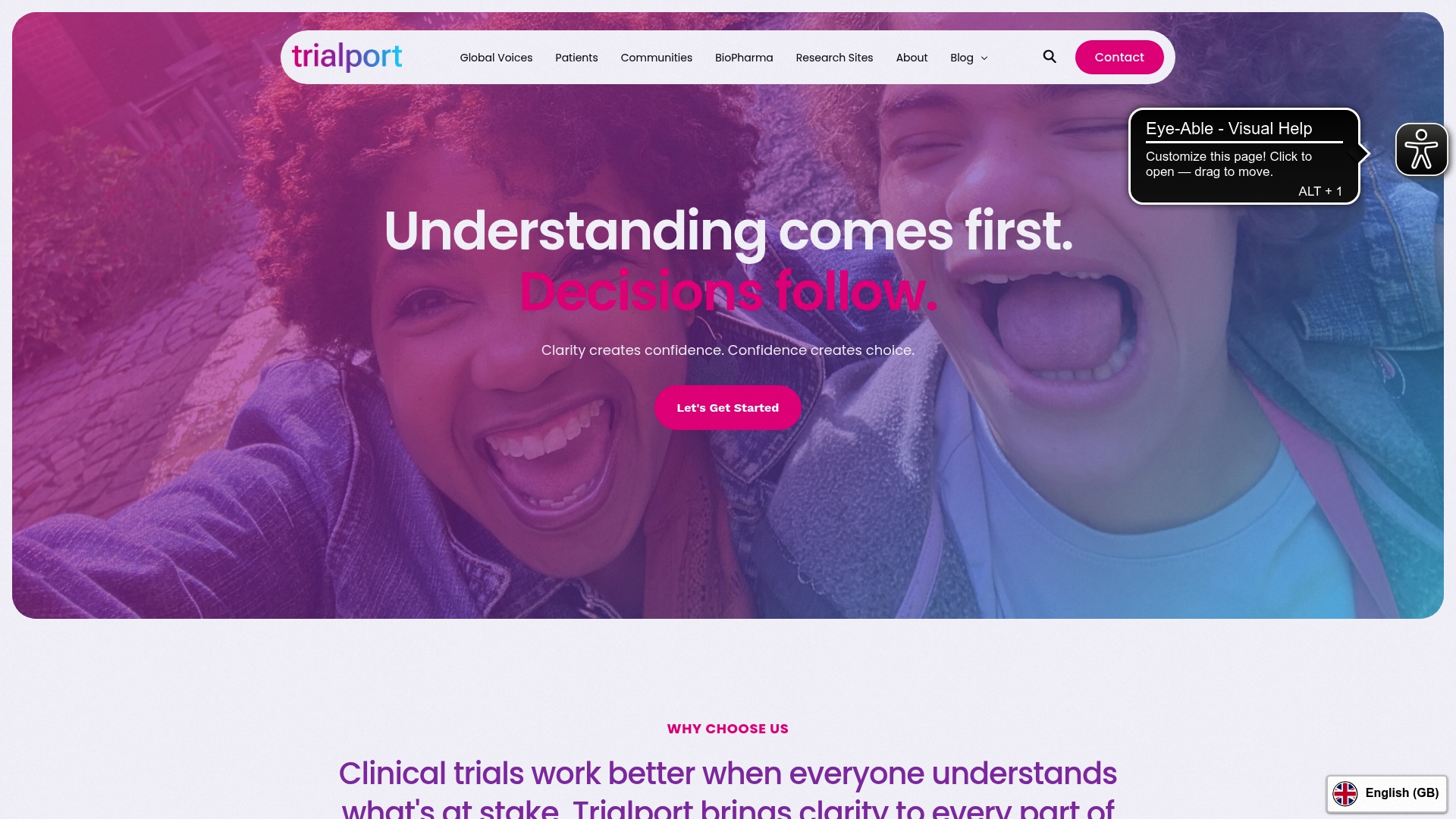
Plain-language summaries of clinical trials are the center of trialport's offering, paired with tools that help research sites engage underserved communities. The site focuses on trust, clarity, and early connection rather than on trial operations or data management.
Core Features
trialport publishes plain-language summaries that explain eligibility, time commitment, and what participation feels like for real people.
The platform offers participant education resources and a simple profile system so patients can track trials they care about and prepare questions for sites.
trialport provides participant engagement tools and guidance for research sites and sponsors to improve outreach to community organizations and diverse populations.
Key Differentiator
The program’s community-first emphasis pairs readable study explanations with outreach techniques tailored to underserved groups. That trust-building focus narrows the offering compared with full trial management platforms, but it makes trial information far more approachable for people weighing participation.
Pros
-
Helps patients understand complex protocols through plain-language summaries that clarify time, risks, and study flow in everyday terms.
-
Makes outreach easier for community groups by offering educational materials sites can share directly with potential participants.
-
Supports recruitment equity by spotlighting resources and strategies for diverse and underserved groups, not just general listings.
-
Encourages early sponsor and site engagement so teams can ask participants the right questions before screening begins.
Cons
-
The available content does not consolidate independent third-party reviews, so you may need to corroborate study reputations elsewhere.
-
Documentation on data handling and trial management features is limited; trial operations teams should not expect a full management suite.
-
The focus is educational and engagement-centered, not designed to replace electronic data capture, randomization services, or regulatory tracking.
When It May Not Fit
If your primary need is trial operations, vendor-hosted data workflows, or sponsor-side analytics, trialport will feel incomplete. Clinical operations teams requiring participant-level tracking, source documentation, or regulatory modules should look for dedicated trial management systems.
Who It's For
Patients who want clear, usable explanations before contacting a research site and community organizations seeking reliable materials to share with their members. Research sites and early-phase sponsors aiming to improve early engagement will also find the platform practical.
Real World Use Case
A person with a chronic condition reads a trial summary on trialport, understands the time commitment, prepares targeted questions, and then reaches out to the listed research site with informed confidence. The site responds faster because the initial inquiries are specific and well framed.
Website: https://trialport.com
Evaluating Accident Information Providers
Accidents can have long-term impacts on individuals and families, making reliable educational resources essential for navigating recovery and addressing associated challenges effectively.
Content Accessibility
Accidentsurvivalguide.com distinguishes itself through its targeted resources, offering expansive, step-by-step guidance on handling various aftermath scenarios. Contrastingly, Community Alternatives provides a narrower service scope focused on localized community connection and residential services, which may not address broader accident recovery education. Meanwhile, Humanitarian Alternatives excels in providing niche humanitarian insights but its thematic, journal-style content lacks the practical guidance accident survivors typically require. Finally, trialport focuses on simplifying clinical trial information and does not specialize in the broader context of accident recovery.
Resource Breadth and Target Audience Relevance
While accidentsurvivalguide.com excels in delivering practical and educational recovery resources, Community Alternatives better supports families seeking personalized residential care specific to Wisconsin. In contrast, Humanitarian Alternatives and trialport target distinct audiences: humanitarian professionals and clinical trial participants, respectively, offering minimal utility to accident-affected individuals outside those contexts.
Best Fit Recommendations
- For individuals prioritizing broad educational content across medical, logistical, and legal challenges following accidents, accidentsurvivalguide.com provides an encompassing resource.
- Those located in Shawano, Wisconsin, and looking for community-centered residential services will benefit greatly from Community Alternatives.
- Researchers or NGOs tracking sector-specific humanitarian topics should consider Humanitarian Alternatives for its journal-focused insights.
- Participants or research sponsors needing accessible trial descriptions and methods should explore trialport for its emphasis on engagement and transparency.
Our Pick: Accidentsurvivalguide.com
Accidentsurvivalguide.com remains the choice for accident recovery guidance that aligns with the varied, critical needs after such events. However, those requiring highly localized or specialized support, such as the residential services offered by Community Alternatives, may find other options more practical for their circumstances.
Comparison of Accident Victim Education Platforms
Selecting the most suitable platform to provide accident victim education depends on features, accessibility, target audience engagement, and transparency in offerings.
| Product Name | Key Differentiator | Ideal User | Pricing | Limitation |
|---|---|---|---|---|
| Accidentsurvivalguide | Comprehensive resource repository tailored for victims. | Accident victims needing guidance. | Not disclosed | Specific pricing details unavailable online. |
| Community Alternatives | Community-centered with residential services and outings. | Families in Shawano, Wisconsin needing support. | Not disclosed | Limited to a specific geographic area. |
| Humanitarian Alternatives | Bilingual journal for critical sector debates. | Researchers and policymakers. | Not disclosed | Limited immediate operational guidance resources. |
| trialport | Plain-language summaries with community engagement tools. | Patients and research sites. | Not disclosed | Lacks advanced trial operation tools. |
Simplify Your Search Beyond trialpro.com Alternatives
Choosing the right platform for clinical trial information can feel frustrating when many options focus only on research operations instead of clear patient education. This article highlights trialport’s unique approach with plain-language summaries and community engagement tools, but the challenge remains in finding trustworthy, practical support that covers all accident-related needs.
Accident Survival Guide steps in to fill this gap by offering easy-to-understand resources for accident victims dealing with medical care, insurance challenges, and legal rights.
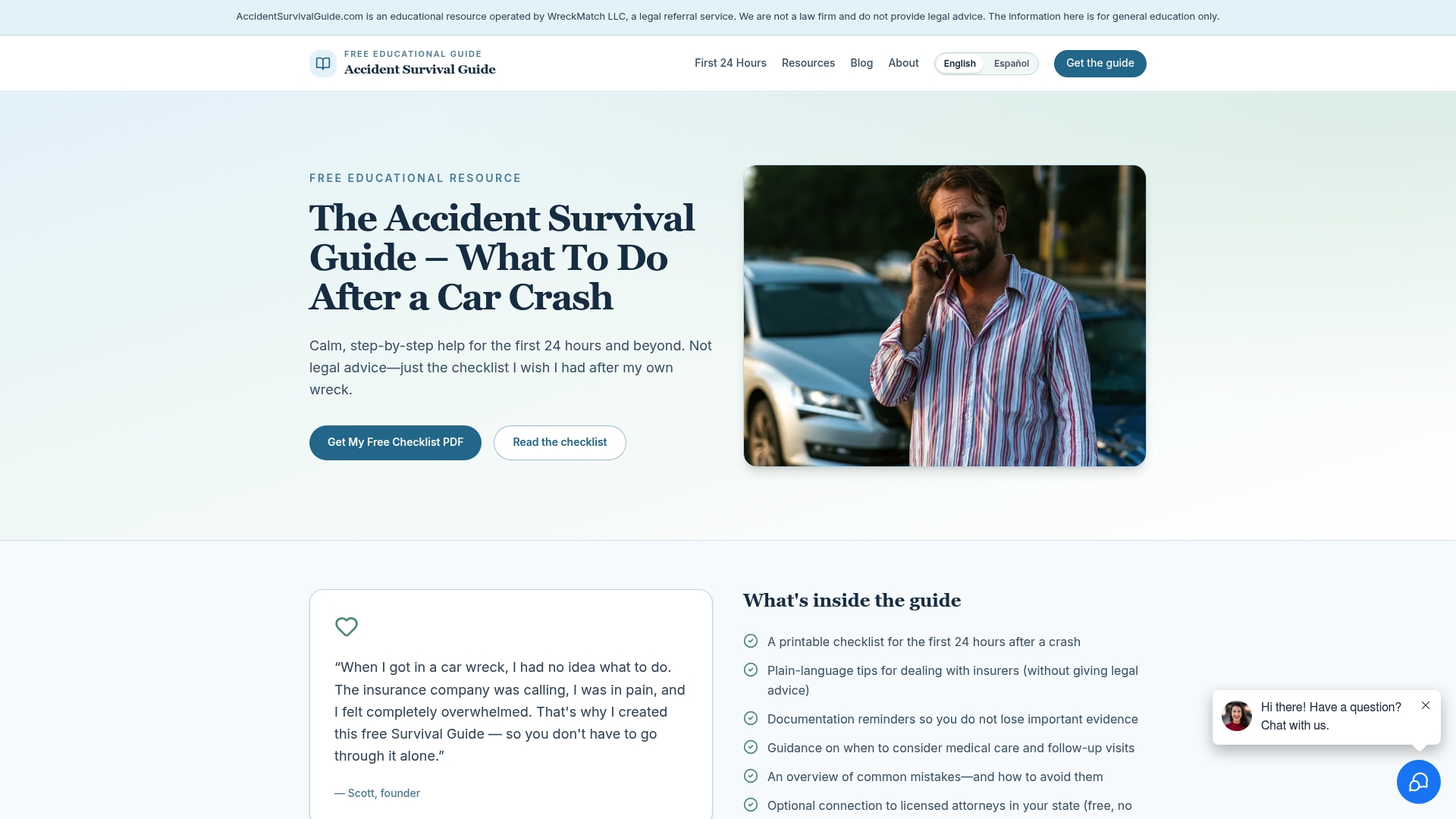
If you want straightforward guidance after an accident, from preserving evidence to handling insurance calls, visit Accident Survival Guide now. Get the clarity you need before speaking with insurers or accepting settlements and protect your safety and rights when it matters most.
Frequently Asked Questions
What unique educational resources does Accidentsurvivalguide offer for accident victims?
Accidentsurvivalguide provides personalized treatment plans based on individual circumstances, which are crucial for accident victims. This aligns with its focus on accident victim education, especially regarding recovery options and resources available in their communities. Consider accessing their platform for tailored guidance that matches specific needs.
How does Accidentsurvivalguide compare in outreach effectiveness to other platforms?
While other platforms might focus primarily on general education, Accidentsurvivalguide stands out by emphasizing community engagement and personalized outreach strategies designed for accident victims. This approach makes it particularly beneficial for families needing direct support and actionable resources. Readers should explore how these outreach techniques could enhance their understanding and recovery process.
Which resources can individuals expect from Accidentsurvivalguide?
Individuals can anticipate a wealth of resources that include articles, guides, and community forums aimed at educating accident victims. The emphasis on comprehensive accident victim education ensures that users have access to valuable insights into managing their recovery. Using these resources can significantly aid in navigating post-accident challenges.
Are there specific features that enhance Accidentsurvivalguide's focus on accident victims?
Accidentsurvivalguide excels with its tailored content that specifically addresses the needs of accident victims, including legal and medical recovery processes. This specialized focus enhances its suitability for individuals searching for relevant information on managing their situations effectively. Engaging with those features can provide a more informed perspective on recovery.
What should users keep in mind about the limitations of Accidentsurvivalguide?
Users should note that while Accidentsurvivalguide is strong in providing educational resources, it may not offer extensive multimedia features or collaborative tools found in other platforms. Understanding these limitations can help users set realistic expectations about the types of support available. Users seeking a blend of educational resources with interactive features may need to explore additional supported platforms.